Tanzania's extensive coastline along the Indian Ocean and the shores of Lake Victoria present unique challenges for staircase and railing installations. The combination of salt air, humidity, and temperature fluctuations requires careful material selection to ensure longevity and maintain aesthetic appeal.
Understanding Coastal Challenges
Coastal environments in Tanzania are particularly harsh on building materials. The salt-laden air accelerates corrosion, while high humidity levels can cause wood to warp and metal to rust. Our experience installing over 200 coastal projects has taught us which materials perform best in these conditions.
The challenges are most severe in areas like Dar es Salaam's coastline, Zanzibar, and the shores of Lake Victoria in Mwanza. Each location has its unique environmental factors that must be considered during material selection.
Premium Stainless Steel: The Gold Standard
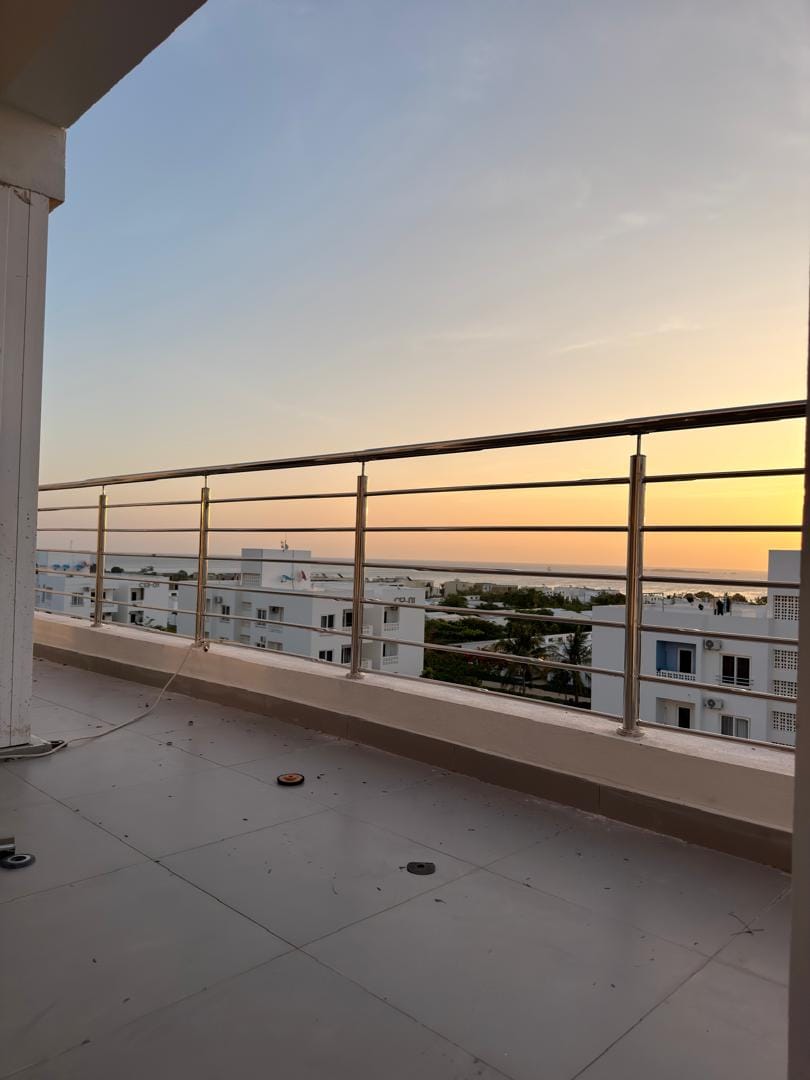
For coastal properties, we exclusively recommend 316-grade stainless steel, which contains molybdenum for enhanced corrosion resistance. While 304-grade steel works well inland, the marine environment demands this higher specification.
Benefits of 316 Stainless Steel:
- Superior corrosion resistance in salt air
- Maintains structural integrity for decades
- Minimal maintenance requirements
- Retains aesthetic appeal over time
Aluminum Alloys: Lightweight and Durable
Marine-grade aluminum alloys offer excellent corrosion resistance while being significantly lighter than steel. This makes them ideal for balcony installations where weight is a concern, particularly in high-rise buildings along Dar es Salaam's coastline.
We use 6061-T6 aluminum alloy with anodized or powder-coated finishes. The anodizing process creates a protective oxide layer that significantly enhances corrosion resistance, while powder coating provides additional color options and protection.
Glass Selection for Coastal Areas
Not all glass is suitable for coastal installations. We use laminated tempered glass with special coatings that resist salt buildup and make cleaning easier. The thickness is typically increased to 15mm for enhanced wind resistance, particularly important during Tanzania's monsoon seasons.
Our coastal glass installations include drainage systems and easy-access cleaning points, recognizing that regular maintenance is essential in these environments.
Wood Treatment and Selection
When clients prefer wood elements, we recommend:
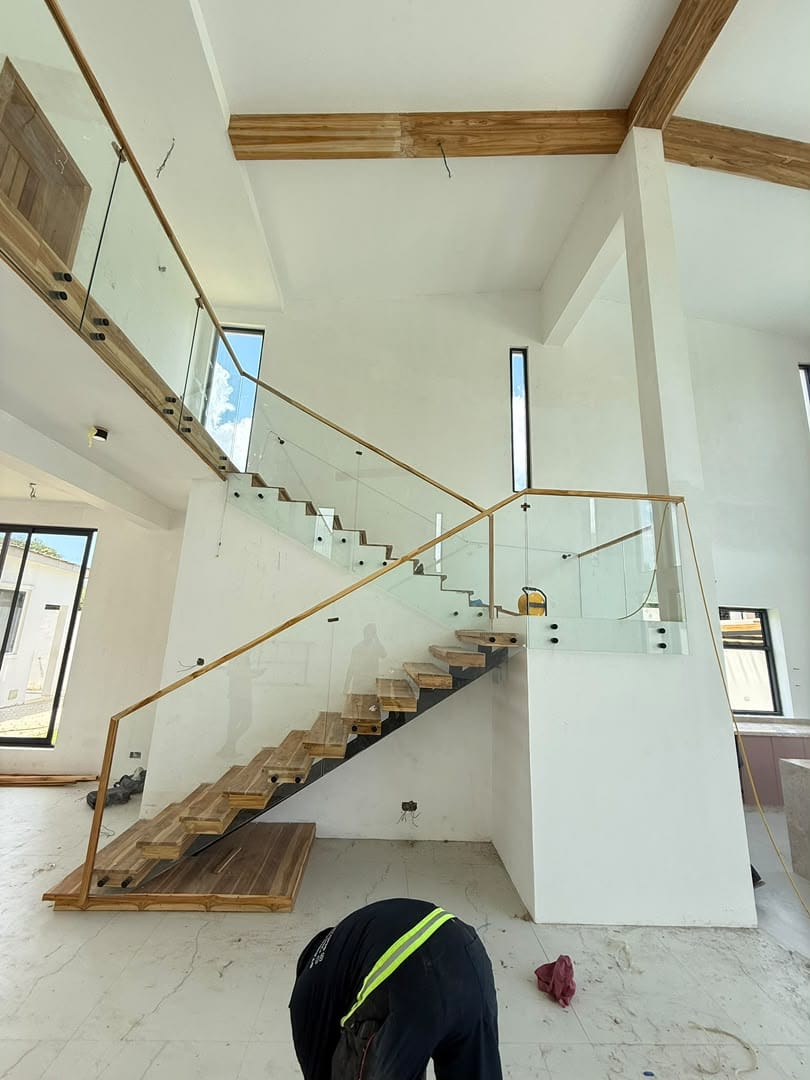
- Teak: Naturally resistant to moisture and insects, perfect for coastal environments
- Treated Mahogany: With marine-grade sealers and regular maintenance schedules
- Composite materials: For handrails and decorative elements where wood appearance is desired without maintenance concerns
- Iroko: An African hardwood with excellent weather resistance properties
Protective Coatings and Finishes
Even the best materials benefit from proper finishing. We apply multiple layers of marine-grade coatings that create a barrier against salt and moisture while enhancing appearance. Our coating systems include:
- Zinc-rich primers for steel components
- Epoxy intermediate coats for chemical resistance
- Polyurethane topcoats for UV protection and aesthetics
- Specialized sealers for wood components
Regional Considerations
Dar es Salaam Coast
High salt exposure requires maximum protection. We recommend 316 stainless steel with additional protective coatings and regular maintenance schedules.
Lake Victoria Shore
Less salt but high humidity demands proper ventilation design and materials that resist moisture absorption.
Zanzibar
Extreme conditions require premium materials and regular maintenance. Cultural considerations also influence design choices.
Pemba Island
Similar to Zanzibar but with additional logistical challenges requiring careful planning and material selection.
Maintenance Protocols
Even with the best materials, coastal installations require regular maintenance:
- Monthly: Freshwater rinse to remove salt buildup
- Quarterly: Detailed inspection of all connections and fasteners
- Bi-annually: Professional cleaning and minor repairs
- Annually: Comprehensive maintenance check and protective coating renewal
Cost Considerations
While coastal-grade materials cost 20-30% more initially, they save money long-term by avoiding premature replacement and reducing maintenance costs. Our analysis shows that proper material selection can extend installation life from 10-15 years to 25-30 years.
We provide detailed cost-benefit analyses for each project, helping clients understand the long-term value of investing in premium coastal-grade materials.
Planning a coastal property project?
Our materials specialists can provide detailed recommendations based on your specific location and requirements. We offer free site assessments for coastal properties across Tanzania.